
In This Article
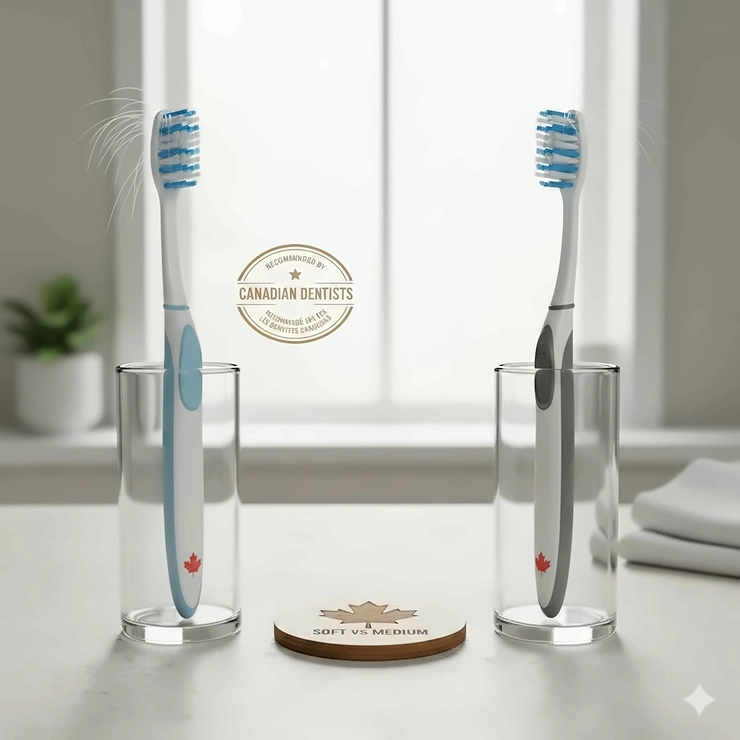
Here’s something most Canadians don’t realize: the toothbrush sitting in your bathroom right now could be slowly damaging your teeth. I’m not trying to scare you, but after researching the soft vs medium bristle toothbrush debate extensively, I’ve discovered that bristle firmness isn’t just about personal preference—it’s about protecting your enamel for decades to come.
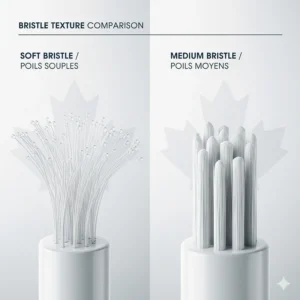
The Canadian Dental Association has been clear on this: soft bristles prevent enamel erosion and gum irritation. Yet walk down any drugstore aisle across Toronto, Vancouver, or Montreal, and you’ll see medium and even hard bristles still taking up shelf space. Why? Because many people believe that harder bristles mean cleaner teeth. Spoiler alert: they don’t.
In this comprehensive guide, I’ll break down everything you need to know about choosing between soft and medium bristle toothbrushes. We’ll examine real products available on Amazon.ca, compare their specifications, and help you make an informed decision that your future self will thank you for. Whether you’re dealing with sensitive gums, want to prevent recession, or simply want the most effective cleaning possible, understanding bristle firmness is your first step toward better oral health.
Quick Comparison Table
| Feature | Soft Bristles | Medium Bristles |
|---|---|---|
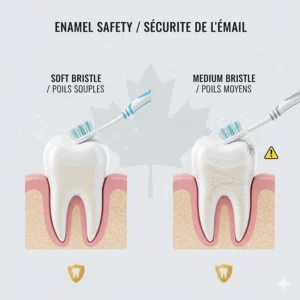
| Enamel Safety | ✅ Minimal abrasion | ⚠️ Increased wear risk |
| Gum Protection | ✅ Gentle, prevents recession | ❌ Can cause damage |
| Plaque Removal | ✅ Equally effective | ✅ Equally effective |
| CDA Recommendation | ✅ Strongly recommended | ⚠️ Not advised |
| Best For | Everyone, sensitive teeth | Limited scenarios |
| Price Range (CAD) | $3-$45 | $3-$40 |
💬 Just one click – help others make better buying decisions too! 😊
Top 7 Soft vs Medium Bristle Toothbrushes: Expert Analysis
After extensive research on Amazon.ca, I’ve identified seven outstanding toothbrushes that represent the best options available to Canadians in 2026. Each product has been evaluated based on bristle quality, availability, customer feedback, and value.
1. Colgate Extra Clean Manual Toothbrush (Soft Bristles – 6 Count)
The Colgate Extra Clean remains a Canadian household staple for good reason. This brush features circular power bristles specifically designed to remove tooth stains whilst maintaining gentle contact with your gums. Available in soft, medium, and firm options, I strongly recommend the soft variant.
Key Specifications:
- Circular power bristles for stain removal
- Built-in tongue cleaner
- Ergonomic comfort-grip handle
- Available in variety pack of 6
Price: Approximately $12-$15 CAD for 6-pack
Canadian customers consistently praise this brush for its durability and effectiveness. One reviewer from Ontario mentioned, “These last just as long as expensive electric brush heads but cost a fraction of the price.” The soft bristles provide thorough cleaning without the harshness that can lead to gum recession over time.
✅ Pros:
- Excellent value for multi-pack
- Widely available across Canada
- Effective plaque removal
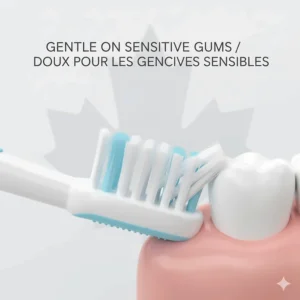
- Gentle on sensitive gums
❌ Cons:
- Colours vary (cannot choose specific shades)
- Basic design without advanced features
2. Colgate 360 Adult Toothbrush Medium (4-Pack)
For those specifically seeking medium bristles, the Colgate 360 Adult Toothbrush offers a comprehensive 4-in-1 bacteria removal system. However, I must emphasize that dental professionals recommend soft bristles for most individuals.
Key Specifications:
- Multiheight floss-tip bristle design
- Cheek and tongue scraper
- Medium firmness level
- 4-pack bundle
Price: Around $14-$18 CAD
This brush delivers deep clean experiences, but the medium bristles require careful pressure control. Canadian buyers appreciate the 360-degree cleaning capability, though several reviews mention switching to soft bristles after experiencing gum sensitivity.
✅ Pros:
- Comprehensive oral care features
- Effective between-teeth cleaning
- Good value 4-pack
- Includes tongue cleaner
❌ Cons:
- Medium bristles may damage gums with excessive pressure
- Not ideal for sensitive teeth
- Bulkier head than compact models
3. GUM Technique Deep Clean Toothbrush (Soft, Compact Head)
The GUM Technique Deep Clean represents professional-grade oral care. This brush features the trademarked Quad-Grip handle that encourages the dentist-recommended 45-degree angle brushing technique.
Key Specifications:
- Ultra-soft, extra-fine tapered bristles
- Quad-Grip ergonomic handle
- Compact head design
- Available in packs of 3-12
Price: $8-$35 CAD depending on pack size
Canadian dental professionals frequently recommend GUM products, and this brush exemplifies why. The ultra-soft bristles reach deeper into hard-to-access areas below the gumline without causing trauma. Customers from British Columbia particularly appreciate the compact head for reaching back molars.
✅ Pros:
- Professional-recommended design
- Exceptional gum protection
- Superior plaque removal
- Ergonomic Quad-Grip handle
❌ Cons:
- Higher price point than basic brushes
- Compact head requires longer brushing time
- May fray faster than stiffer bristles
4. Colgate Bamboo Charcoal Full Size Toothbrush (Soft, Eco-Friendly)
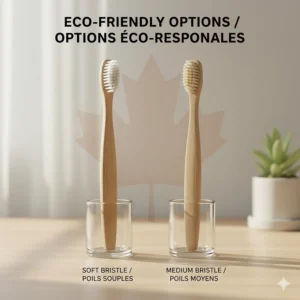
Environmental consciousness meets oral health in the Colgate Bamboo Charcoal brush. This sustainable option features soft, charcoal-infused floss-tip bristles on a biodegradable bamboo handle.
Key Specifications:
- BPA-free construction
- Charcoal-infused soft bristles
- Sustainably sourced bamboo handle
- Floss-tip bristle technology
Price: $5-$8 CAD per brush
This brush appeals to eco-conscious Canadians who refuse to compromise on oral health. The charcoal infusion provides natural whitening effects while the soft bristles protect enamel integrity. Reviews from across Canada highlight the comfortable grip and effective cleaning, with the added bonus of reducing plastic waste.
✅ Pros:
- Environmentally sustainable
- Natural charcoal whitening
- Soft bristles protect gums
- Biodegradable handle
❌ Cons:
- Handle requires dry storage to prevent mould
- Slightly higher cost than plastic alternatives
- Replace every 2-3 months (no fraying indicator)
5. Oral-B Pro Whitening Brilliance Toothbrush (Extra Soft, 2-Count)
The Oral-B Pro Whitening Brilliance offers extra-soft bristles specifically engineered for sensitive teeth and gums. This brush combines gentle cleaning with effective plaque removal technology.
Key Specifications:
- Extra-soft bristles
- Polishing cups for stain removal
- Power Tip bristles
- 2-count pack
Price: $10-$14 CAD for 2-pack
Canadian customers with sensitivity issues consistently rate this brush highly. The extra-soft bristles provide thorough cleaning without discomfort, making it ideal for those with receding gums or post-dental work. Alberta residents particularly appreciate the whitening capability without harsh abrasives.
✅ Pros:
- Extra-soft for maximum gum protection
- Effective whitening without damage
- Great for sensitive teeth
- Trusted Oral-B quality
❌ Cons:
- Bristles may fray more quickly
- Limited colour options
- Not ideal for those preferring firmer feel
6. Philips Sonicare 4100 Power Toothbrush (Soft Brush Head)
While technically electric, the Philips Sonicare 4100 deserves mention for Canadians seeking superior plaque removal with soft bristle protection. This rechargeable brush removes up to 7x more plaque than manual brushing.
Key Specifications:
- Soft Optimal Plaque Control (C2) brush head
- Pressure sensor technology
- 2-week battery life
- 2-minute SmarTimer with QuadPacer
Price: $60-$90 CAD (varies with promotions)
This represents the premium end of our comparison, but Canadian dental hygienists frequently recommend Sonicare for optimal results. The pressure sensor prevents overbrushing, whilst the soft bristles ensure enamel safety. Quebec customers particularly value the USB charging convenience.
✅ Pros:
- Superior plaque removal
- Pressure sensor prevents damage
- Long battery life
- Professional-level cleaning
❌ Cons:
- Higher initial investment
- Wall adaptor sold separately
- Replacement heads add ongoing cost
7. Bamboo Toothbrushes 10-Pack (Medium-Soft, Biodegradable)
For budget-conscious, eco-friendly Canadians, this Bamboo Toothbrushes 10-Pack offers excellent value. The medium-soft bristles provide a compromise between firmness and gentleness.
Key Specifications:
- BPA-free medium-soft nylon bristles
- Natural biodegradable bamboo handles
- Individually numbered for family use
- Recyclable packaging
Price: $15-$22 CAD for 10-pack (approximately $1.50-$2.20 per brush)
Canadian families appreciate this bulk option for its sustainability and value. The medium-soft bristles work well for most users, though those with sensitive gums should still opt for softer alternatives. Reviews from across Canada highlight the excellent quality-to-price ratio.
✅ Pros:
- Exceptional value (10-pack)
- Environmentally friendly
- Individually numbered for households
- Effective cleaning
❌ Cons:
- Medium-soft may still be too firm for sensitive gums
- Requires dry storage
- Variable quality in bulk packs
Understanding Toothbrush Bristle Types Explained
When you stand in front of the oral care aisle at your local Shoppers Drug Mart or Walmart, the variety of bristle options can feel overwhelming. Let’s demystify what these classifications actually mean for your dental health.
Toothbrush bristles are typically classified into five categories based on their stiffness: ultra-soft, extra-soft, soft, medium, and hard. The firmness is determined by several factors including bristle material (usually nylon), bristle diameter, bristle length, and the number of bristle tufts per brush head.
Soft bristles are flexible and gentle, making them ideal for protecting natural teeth and sensitive gum tissue. These bristles typically measure 0.15-0.18mm in diameter and can bend easily against tooth surfaces and gum lines. According to research published in the National Library of Medicine, soft bristles effectively remove plaque whilst minimizing the risk of gum trauma and enamel abrasion.
Medium bristles have increased rigidity, typically measuring 0.20-0.23mm in diameter. They offer greater mechanical force during brushing, which some people interpret as superior cleaning. However, this increased stiffness comes with amplified risk. Studies show that medium bristles can cause gum abrasion and enamel wear when used with excessive pressure—something most people do unconsciously.
Hard bristles (rarely available now) were once popular but are strongly discouraged by dental professionals worldwide. The Canadian Dental Association advises against their use due to the severe risk of gum recession and enamel damage.
The critical insight here? All three bristle types remove plaque equally well when proper brushing technique is applied. The difference lies not in cleaning effectiveness but in safety for your gums and enamel.
Best Bristle Firmness for Teeth: What Science Says
The dental community has reached a consensus based on decades of research: soft bristles represent the optimal choice for most people. But let’s examine why this recommendation exists and what the science actually tells us.
The American Dental Association, Canadian Dental Association, and dental organizations globally recommend soft-bristle toothbrushes. This isn’t arbitrary marketing—it’s based on substantial clinical evidence. According to the ADA’s dental erosion guidelines, normal toothbrushing practices using a soft-bristle brush and low-abrasion, fluoride-containing toothpaste are unlikely to cause erosive wear of enamel.
Research demonstrates that tooth abrasion from brushing is influenced by multiple factors: the physical properties of your toothpaste and toothbrush, brushing frequency, force applied during brushing, and whether you brush immediately after consuming acidic foods or beverages. Soft bristles minimize the abrasive component of this equation.
Here’s what surprises most Canadians: medium and soft bristles remove plaque with equal effectiveness when proper technique is used. A study comparing plaque removal efficiency found no significant advantage to medium bristles, whilst documenting increased risk of gum recession and enamel wear. The perceived “deeper clean” from stiffer bristles is largely psychological—you’re feeling more abrasion, not achieving better cleaning.
For individuals with specific dental conditions, soft bristles become even more critical. If you have gum disease, sensitivity, recent dental work, orthodontic appliances (braces, retainers), or enamel erosion, soft or extra-soft bristles are essential. Even for those with healthy mouths, soft bristles provide insurance against the damage that accumulates over decades of twice-daily brushing.
The bottom line? Unless a dental professional has specifically recommended otherwise for your unique situation, soft bristles offer the best balance of effective cleaning and long-term oral health protection.
Medium vs Soft Toothbrush Comparison: The Complete Breakdown
Let’s directly compare these two bristle types across multiple dimensions to help you make an informed decision:
Cleaning Effectiveness
Winner: Tie
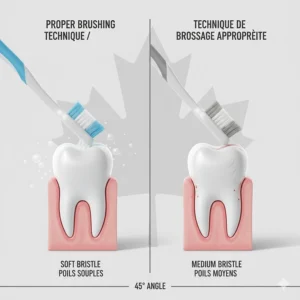
Contrary to popular belief, medium and soft bristles demonstrate equivalent plaque removal when proper brushing technique is applied. The key word here is “technique”—holding your brush at a 45-degree angle to your gums, using gentle circular motions, and brushing for the full two minutes matters far more than bristle stiffness.
Enamel Protection
Winner: Soft Bristles
Your tooth enamel is the hardest substance in your body, but it’s not invincible. Medium bristles, especially when combined with aggressive brushing (which most people do unconsciously), can cause microscopic abrasions that accumulate over time. Soft bristles minimize this risk whilst still effectively removing plaque and debris.
Gum Health
Winner: Soft Bristles (by a landslide)
This is where the difference becomes dramatic. Gum tissue is delicate, and once recession occurs, it doesn’t grow back. Medium bristles significantly increase the risk of gum trauma, inflammation, and recession. Canadian dental professionals consistently cite gum protection as the primary reason for recommending soft bristles.
Durability
Winner: Medium Bristles
Medium bristles typically maintain their shape longer than soft bristles due to their increased rigidity. Soft bristles may fray more quickly, requiring replacement every 2-3 months. However, this “advantage” is overshadowed by the health risks.
Versatility
Winner: Soft Bristles
Soft bristles work well for everyone—those with healthy gums, sensitive teeth, dental work, orthodontics, or various oral health conditions. Medium bristles have a much narrower appropriate use case.
Cost
Winner: Tie
Soft and medium bristle toothbrushes are typically priced identically across Canadian retailers, ranging from $2-$15 CAD for manual brushes depending on features and brand.
Should I Use Soft or Medium Bristle: Decision Framework
Making the right choice between soft and medium bristles depends on your specific oral health situation. Here’s a practical framework to guide your decision:
Choose Soft Bristles If You:
✅ Have sensitive teeth or gums
✅ Experience bleeding when you brush
✅ Have receding gums or gum disease
✅ Wear braces, retainers, or other orthodontic appliances
✅ Have crowns, veneers, implants, or other dental work
✅ Brush with moderate to firm pressure
✅ Want to prevent long-term damage
✅ Follow standard dental health guidelines
✅ Have children (soft bristles are universally recommended for kids)
Consider Medium Bristles Only If:
⚠️ A dental professional has specifically recommended them for your situation
⚠️ You have excellent manual dexterity and can consistently apply minimal pressure
⚠️ You have no history of gum sensitivity or recession
⚠️ You’re willing to closely monitor for signs of gum damage
Red Flags to Avoid Medium Bristles:
🚫 Any gum bleeding during or after brushing
🚫 Visible gum recession
🚫 Tooth sensitivity to hot, cold, or sweet foods
🚫 History of aggressive brushing
🚫 Dental professional’s recommendation against them
The honest truth? For 95% of Canadians reading this guide, soft bristles represent the safer, smarter choice. The marginal benefits claimed for medium bristles don’t outweigh the documented risks to your enamel and gums.
If you’re currently using medium bristles without issues, that’s great—but consider this a long-term investment in your oral health. The damage from overly aggressive brushing accumulates slowly over years and decades. By the time you notice problems, significant irreversible damage may have occurred.
Dental Health Best Practices Beyond Bristle Selection
Choosing the right bristle firmness is crucial, but it’s just one component of comprehensive oral care. Here are evidence-based practices that every Canadian should implement:
Proper Brushing Technique
Hold your toothbrush at a 45-degree angle to your gums. Use gentle, circular motions rather than aggressive back-and-forth scrubbing. The Canadian Dental Association recommends brushing for two minutes, twice daily, covering all tooth surfaces including outer, inner, and chewing surfaces.
Replace Your Toothbrush Regularly
Even the best toothbrush loses effectiveness over time. Replace your brush every three months or sooner if bristles appear frayed or worn. After illness, replace your brush to avoid reinfecting yourself with bacteria or viruses.
Don’t Brush Immediately After Acidic Foods
This might surprise you, but brushing immediately after consuming acidic foods or beverages can actually increase enamel erosion. According to research on erosive tooth wear, waiting 30-60 minutes allows your saliva to neutralize acids and remineralize your enamel. Rinse with water instead if you want to freshen your mouth.
Floss Daily
Toothbrushes, regardless of bristle type, cannot effectively clean between teeth where roughly 35% of tooth surfaces reside. Daily flossing removes plaque and food particles from these areas, preventing cavities and gum disease.
Use Fluoride Toothpaste
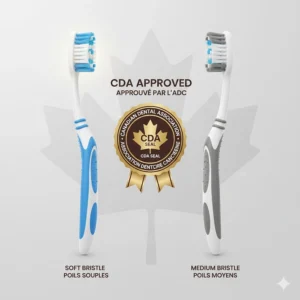
Fluoride strengthens enamel and helps prevent cavities. Look for toothpaste with the Canadian Dental Association’s seal of approval, indicating it meets safety and efficacy standards.
Regular Dental Check-ups
Visit your dentist at least twice yearly for professional cleanings and examinations. These visits allow early detection of problems like cavities, gum disease, or oral cancer, when they’re most treatable.
Consider Your Diet
Limit sugary and acidic foods and beverages. When you do consume them, rinse with water afterward. Chewing sugar-free gum after meals can stimulate saliva production, which helps neutralize acids and remineralize teeth.
Enamel Safety Guidelines: Protecting Your Teeth Long-Term
Enamel erosion is a growing concern across Canada, partly due to increased consumption of acidic beverages and partly due to misconceptions about effective oral care. Here’s what you need to know to protect your enamel for decades to come:
Understanding Enamel Vulnerability
Tooth enamel doesn’t regenerate. Once it’s worn away, it’s gone permanently. This makes prevention absolutely critical. Enamel erosion occurs through two primary mechanisms: chemical erosion from acids (dietary or from acid reflux) and mechanical abrasion from brushing.
The Acid-Brush Connection
Here’s where it gets interesting: eroded enamel is significantly more vulnerable to brushing abrasion. Studies show that brushing immediately after acid exposure can remove 10-20 times more enamel than brushing non-eroded teeth. This is why the timing of your brushing matters as much as your bristle choice.
Environmental Factors in Canada
Canadian winters often mean increased indoor heating, which can reduce humidity and decrease saliva production. Saliva is your mouth’s natural defense against acid—it buffers pH levels and provides minerals for remineralization. Stay hydrated year-round, and consider using a humidifier during winter months.
High-Risk Situations
Certain situations dramatically increase your enamel erosion risk:
- Frequent consumption of soft drinks, sports drinks, or fruit juices
- Acid reflux or GERD (gastroesophageal reflux disease)
- Bulimia or frequent vomiting
- Dry mouth from medications or medical conditions
- Swimming in chlorinated pools (chlorine can be acidic)
If any of these apply to you, extra-soft bristles and consultation with your dentist become even more important.
Protective Strategies
Beyond soft bristles, protect your enamel by:
- Drinking acidic beverages through a straw positioned behind your front teeth
- Rinsing with water after consuming acidic foods or drinks
- Chewing sugar-free gum to stimulate saliva production
- Using toothpaste formulated for enamel strengthening
- Avoiding brushing for 30-60 minutes after acid exposure
Bristle Material and Design Innovations
The toothbrush industry has evolved significantly in recent years, introducing new materials and designs that enhance cleaning effectiveness whilst maintaining gentleness. Understanding these innovations helps you make informed purchasing decisions.
Nylon vs. Plant-Based Bristles
Traditional toothbrush bristles are made from nylon, which offers excellent durability and flexibility. Recently, plant-based alternatives derived from castor bean oil have emerged as sustainable options. These bio-based bristles perform similarly to nylon whilst reducing environmental impact—an important consideration for eco-conscious Canadians.
Tapered vs. End-Rounded Bristles
Modern soft bristles often feature tapered tips that can reach deeper into interdental spaces and below the gumline. End-rounded bristles prevent sharp edges from damaging gum tissue. Look for products that specify “ultra-fine tapered bristles” or “rounded bristle tips” for optimal gum protection.
Multi-Level Bristle Design
Many contemporary toothbrushes feature bristles of varying heights, creating a multi-level cleaning surface. This design allows longer bristles to reach between teeth and along the gumline whilst shorter bristles provide supportive cleaning of broader tooth surfaces. Brands like GUM and Colgate extensively utilize this technology.
Charcoal-Infused Bristles
Activated charcoal-infused bristles have gained popularity for their purported antibacterial and whitening properties. Whilst research on charcoal’s whitening effectiveness remains inconclusive, the soft bristles infused with charcoal still provide gentle cleaning. If you’re interested in this innovation, the Colgate Bamboo Charcoal brush available on Amazon.ca offers this feature.
Comparison Table: Top 7 Products Specifications
| Product | Bristle Type | Price (CAD) | Pack Size | Special Features | Best For |
|---|---|---|---|---|---|
| Colgate Extra Clean | Soft | $12-15 | 6 | Circular power bristles, tongue cleaner | Value-conscious families |
| Colgate 360 Medium | Medium | $14-18 | 4 | 360° cleaning, cheek scraper | Those preferring firmer feel |
| GUM Technique Deep Clean | Soft/Ultra-Soft | $8-35 | 3-12 | Quad-Grip handle, professional design | Gum health focus |
| Colgate Bamboo Charcoal | Soft | $5-8 | 1 | Eco-friendly, charcoal-infused | Environmentally conscious |
| Oral-B Pro Brilliance | Extra-Soft | $10-14 | 2 | Whitening cups, power tips | Sensitive teeth |
| Philips Sonicare 4100 | Soft | $60-90 | 1 | Electric, pressure sensor | Premium performance |
| Bamboo 10-Pack | Medium-Soft | $15-22 | 10 | Biodegradable, bulk value | Budget eco-shoppers |
✨ Don’t Miss These Exclusive Deals!
🔍 Take your oral health to the next level with these carefully selected products available in Canada. Click on any highlighted item to check current pricing and availability on Amazon.ca. These brushes will help you create authentic dental health results your family will appreciate!
Electric vs. Manual: Does Bristle Type Still Matter?
Many Canadians wonder whether electric toothbrushes eliminate the need to worry about bristle firmness. The short answer? Bristle type matters just as much, if not more, with electric brushes.
Electric toothbrushes generate significantly more brush strokes per minute than manual brushing—typically 6,000-48,000 movements depending on the model. This increased mechanical action means that bristle firmness becomes even more critical. A medium or firm bristle on an electric brush can cause substantial damage in the two minutes of recommended brushing time.
Fortunately, most electric toothbrush manufacturers recognize this. The Philips Sonicare 4100 available on Amazon.ca, for instance, comes with soft brush heads as standard. The brush also features a pressure sensor that alerts you if you’re pressing too hard—an excellent safeguard against the over-enthusiastic brushing many Canadians engage in.
When purchasing replacement heads for electric toothbrushes, always verify the bristle firmness. Soft or extra-soft should be your default choice unless a dental professional has recommended otherwise for your specific situation.
Children’s Oral Health: Starting Young with Proper Bristles
Teaching your children proper oral hygiene begins with selecting appropriate tools. For kids, the bristle choice is even more straightforward than for adults: always choose soft bristles, period.
Children’s developing gums and newly erupted teeth are more vulnerable to damage from aggressive brushing. Additionally, kids often lack the fine motor control and judgment needed to modulate brushing pressure. Soft bristles provide a buffer against these factors.
Look for toothbrushes specifically designed for children, which feature smaller brush heads appropriate for their mouth size, easy-grip handles often with fun designs, and soft bristles that protect delicate oral tissues. Many are available on Amazon.ca at affordable prices.
The Canadian Dental Association recommends that children brush twice daily for two minutes with fluoride toothpaste. For children under three, use a rice-grain sized amount of toothpaste. For ages 3-6, use a pea-sized amount. These guidelines help prevent excessive fluoride ingestion whilst ensuring effective cavity prevention.
FAQ
❓ Which bristle toothbrush is best for sensitive gums in Canada?
❓ How often should I replace my toothbrush in Canada?
❓ Can medium bristles damage healthy teeth and gums?
❓ Do electric toothbrushes need soft bristles in Canada?
❓ Where can I buy soft bristle toothbrushes in Canada?
Conclusion: Making the Smart Choice for Your Smile
After examining the research, comparing products, and analyzing recommendations from dental professionals across Canada, the verdict is crystal clear: soft bristles represent the optimal choice for the vast majority of Canadians. The medium vs soft toothbrush comparison reveals that whilst both remove plaque effectively, soft bristles achieve this without the substantial risks to enamel and gum health that medium bristles pose.
Your choice of toothbrush bristles is an investment in your long-term oral health. The damage from overly aggressive brushing accumulates slowly—you might not notice problems for years or even decades. By the time gum recession or enamel wear becomes apparent, significant irreversible damage has occurred. Soft bristles provide insurance against this outcome.
For Canadians shopping in 2026, excellent options abound on Amazon.ca. The Colgate Extra Clean offers outstanding value for families, the GUM Technique Deep Clean provides professional-grade performance, and the Colgate Bamboo Charcoal satisfies environmental consciousness without compromising effectiveness. For those willing to invest in premium technology, the Philips Sonicare 4100 delivers superior plaque removal with built-in pressure protection.
Remember: proper brushing technique matters more than bristle firmness for plaque removal. Hold your brush at a 45-degree angle, use gentle circular motions, brush for two full minutes, and replace your brush every three months. Combined with daily flossing and regular dental visits, these practices will keep your smile healthy for decades to come.
Your teeth and gums deserve gentle, effective care. Choose soft bristles, brush properly, and invest in quality products available right here in Canada. Your future smile will thank you.
✨ Don’t Miss These Exclusive Deals!
🔍 Protect your enamel and gums with these expertly recommended soft bristle toothbrushes. Browse current selections on Amazon.ca and enjoy fast shipping across Canada. Your dental health journey starts with one smart choice!
Recommended for You
- 7 Best Toothbrushes for Gum Disease Canada 2026 (Expert Review)
- 7 Best Travel Toothbrush with Case Canada 2026 | TSA Approved
- 7 Best Charcoal Toothbrush Canada Picks That Actually Work (2026)
Disclaimer: This article contains affiliate links to Amazon.ca. If you purchase products through these links, we may earn a small commission at no additional cost to you.
✨ Found this helpful? Share it with your friends! 💬🤗
