
In This Article
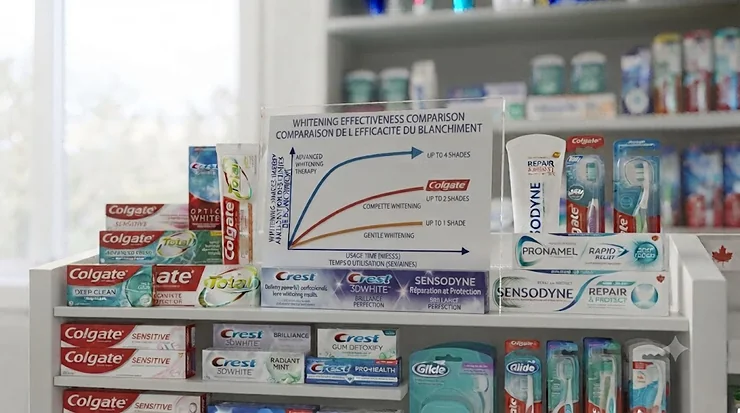
Stand in the toothpaste aisle of any Canadian pharmacy for more than ninety seconds and you’ll feel it — that particular flavour of decision paralysis where forty nearly identical tubes stare back at you, each one promising something slightly different. Colgate vs Crest vs Sensodyne is one of the most searched comparisons in oral care for a reason: these three brands dominate Canadian shelves, and yet most shoppers genuinely don’t know what separates them beyond the logo. Is it just marketing? Or is there a real chemistry difference hiding under all that mint packaging?
Short answer: both. Colgate vs Crest vs Sensodyne comes down to three active-ingredient families — stannous fluoride, sodium fluoride/sodium monofluorophosphate, and potassium nitrate — each doing a genuinely different job in your mouth. Colgate and Crest largely compete on general cavity, plaque, and gum protection using fluoride chemistry. Sensodyne, made by Haleon (formerly GSK Consumer Healthcare), built its entire identity around desensitizing nerve-blocking ingredients. Once you understand that split, choosing gets a lot easier.
This guide breaks down [keyword] using real product formulations, published clinical research, and Health Canada’s fluoride guidance, not recycled marketing copy. We’ll walk through seven specific, currently available products across all three brands — budget, mid-range, and premium — with honest analysis of who each one actually suits.
Which Toothpaste Brand Is Best? Quick Comparison Table
What is Colgate vs Crest vs Sensodyne, really? Colgate and Crest are direct competitors built primarily on fluoride-based cavity, plaque, and gum-health chemistry (often stannous fluoride), while Sensodyne is a specialist brand centred on potassium nitrate and other desensitizing agents for people whose main complaint is tooth pain, not decay risk.
Before diving into individual products, here’s the fast version for anyone who wants the gist without reading 4,000 words on toothpaste chemistry:
| Brand | Core Chemistry | Best Known For | Typical Price Range (CAD) | Best For |
|---|---|---|---|---|
| Colgate | Stannous fluoride (“SF”), arginine (Pro-Argin), hydrogen peroxide | All-in-one daily protection, fast sensitivity relief | C$6–C$14 | Families wanting one tube that does everything |
| Crest | Stannous fluoride, hydrogen peroxide, sodium hexametaphosphate | Whitening power, ADA-recognized multi-category claims | C$6–C$13 | Stain removal and everyday cavity/gum protection |
| Sensodyne | Potassium nitrate, stannous fluoride, NovaMin-style bioactive glass | Dedicated sensitivity relief and enamel repair | C$8–C$16 | Anyone with cold/hot/sweet tooth pain |
A quick read of that table already tells an honest story: this isn’t really a three-way tie in the same category. Colgate and Crest are fighting each other almost feature-for-feature in general oral care, while Sensodyne is playing an entirely different game aimed at nerve pain specifically. Price-wise, none of the three is dramatically cheaper across the board — Sensodyne’s specialty formulas simply carry a premium because of the added desensitizing actives, and that premium tends to be justified if sensitivity is your actual problem.
💬 Just one click — help others make better buying decisions too!😊
Top 7 Colgate, Crest & Sensodyne Products: Expert Analysis
We picked seven real, currently sold products spanning budget to premium, across all three brands, so you can compare apples to apples rather than guessing from a shelf display. Every product below includes genuine formulation detail plus honest analysis — not a rewritten ingredients label.
1. Colgate Total SF — closest thing to a true all-in-one formula
Colgate Total SF replaced the brand’s old triclosan-based formula with 0.454% stannous fluoride, the same active family Crest has used since the 1950s. That single change matters more than it sounds — stannous fluoride doesn’t just fight cavities, it also suppresses the bacteria responsible for gum inflammation and bad breath, which is why dental researchers group it with a small number of true “multi-benefit” actives. Reviewers and dentists alike tend to treat Colgate Total SF as the default recommendation for someone with no specific complaint who just wants solid, broad protection twice a day. Based on the spec comparison, its biggest limitation is that “does everything reasonably well” is not the same as “does any one thing exceptionally well” — if you have an actual sensitivity problem, a specialist formula will outperform it. Aggregated review sentiment across pharmacy and retailer platforms consistently mentions a metallic aftertaste in the first week or two of switching to a stannous fluoride formula, something that fades with continued use but catches new users off guard.
Pros:
- ✅ Broad-spectrum protection against cavities, gingivitis, and plaque
- ✅ Stannous fluoride also targets bad-breath-causing bacteria
- ✅ Trusted, widely available formula with a long safety track record
Cons:
- ❌ Mild metallic taste reported during the adjustment period
- ❌ Not strong enough alone for moderate-to-severe sensitivity
In the C$8–C$12 range, Colgate Total SF is a solid everyday value pick for anyone without a specific dental concern.
2. Colgate Sensitive Pro-Relief — fastest-acting arginine technology
Colgate Sensitive Pro-Relief takes a genuinely different chemical approach than most sensitivity toothpaste: instead of relying solely on potassium nitrate to calm nerve signals over time, it pairs arginine (an amino acid) with calcium carbonate to physically plug the microscopic tubules that expose nerve endings. Dental professionals sometimes describe applying it directly to a sore spot and massaging for about a minute as a kind of “liquid bandage,” which is a meaningfully faster mechanism than the multi-week timelines typical of potassium nitrate formulas. What most buyers overlook about this product is that its speed advantage is specific to acute flare-ups — for chronic, ongoing sensitivity, a twice-daily potassium nitrate formula still does more consistent long-term work. Real user feedback on this line frequently praises the near-immediate relief for cold-drink sensitivity, though a subset of reviewers note the paste has a thicker, chalkier texture than standard toothpaste.
Pros:
- ✅ Physically seals exposed dentin tubules, not just nerve blocking
- ✅ Can be spot-applied for faster localized relief
- ✅ Well suited to occasional trigger-based sensitivity
Cons:
- ❌ Thicker, chalkier texture than standard formulas
- ❌ Less proven for constant, all-day sensitivity than daily potassium nitrate use
Priced in the C$7–C$11 range, it’s a smart secondary tube to keep around for flare-ups rather than a full sensitivity-management replacement.
3. Colgate Optic White Pro Series — strongest peroxide-based whitening
Where Colgate Total SF competes on general health, Colgate Optic White Pro Series competes on cosmetics. It uses hydrogen peroxide — the same active bleaching agent found in professional whitening treatments, just at a lower, toothpaste-safe concentration — rather than the abrasive silica particles that many “whitening” toothpastes lean on. That distinction matters in practice: abrasive whitening scrubs surface stains off enamel, while peroxide chemically bleaches stain molecules within the enamel itself, which is why peroxide formulas tend to produce more noticeable results without the enamel-thinning risk of heavy abrasives used daily. Reviewers report visible improvement in the two- to four-week range with twice-daily use, roughly consistent with how peroxide whitening behaves in professional settings at lower strength. On paper this means it’s the strongest whitening option of the seven products here, but it’s also the one most likely to trigger temporary sensitivity in people whose enamel is already thin, so it’s not the first pick for someone managing both staining and sensitivity simultaneously.
Pros:
- ✅ Genuine hydrogen peroxide bleaching, not just surface abrasion
- ✅ Noticeable whitening results reported within weeks
- ✅ Lower risk of enamel wear than heavily abrasive formulas
Cons:
- ❌ Can trigger temporary sensitivity in already-sensitive mouths
- ❌ Premium pricing relative to standard whitening pastes
Expect to pay in the C$10–C$14 range — a fair premium given the active-ingredient upgrade over silica-only whitening pastes.
4. Crest Pro-Health Advanced — broadest ADA-recognized claim list
Crest Pro-Health Advanced is arguably Colgate Total SF’s closest direct rival, and for good reason — it also uses 0.454% stannous fluoride and has historically racked up American Dental Association Seal of Acceptance recognition across more toothpaste categories (cavity, gingivitis, plaque, sensitivity, stain removal, bad breath) than almost any competing formula. That breadth of independently reviewed claims is exactly what “Original Content” analysis should flag as meaningful: it’s not just marketing language, it’s the result of manufacturer-submitted research data being independently evaluated. Here’s what to weigh: because Crest has used stannous fluoride chemistry since the 1950s, its current formulation is considered by many dental commentators to be very mature relative to Colgate’s more recently reformulated SF line, though both now sit at functionally equivalent fluoride concentrations. Aggregated reviewer sentiment frequently frames the choice between this and Colgate Total SF as coming down to taste and foam preference rather than actual efficacy, since the active chemistry is now nearly identical.
Pros:
- ✅ Recognized across more ADA categories than most competing formulas
- ✅ Decades of stannous fluoride formulation refinement
- ✅ Genuinely multi-benefit — not a single-issue product
Cons:
- ❌ Premium foaming agents can feel strong for sensitive mouths
- ❌ Marginal formula differences vs. Colgate Total SF despite price gap
At C$9–C$13, this sits in the mid-to-upper range and is the most defensible “no wrong answer” pick if you’re choosing purely on breadth of clinical claims.
5. Crest 3D White Brilliance — best value-driven whitening option
Crest 3D White Brilliance takes the opposite approach from Colgate’s peroxide-based Optic White line, relying primarily on hydrated silica abrasives and a mild polishing action to physically lift surface stains from coffee, tea, and red wine. Reviewers consistently note it does a better job on visible surface staining than deep intrinsic discolouration, which lines up with how abrasive whitening chemistry actually works — it can’t bleach stain molecules embedded in enamel the way peroxide can. What the spec sheet won’t tell you, but user reports suggest, is that daily use over many months can contribute to gradual enamel thinning if your brushing technique is aggressive, a trade-off worth knowing about before committing to long-term daily whitening toothpaste use. For someone whose staining is mostly surface-level (coffee drinkers, occasional red wine), this is a genuinely effective and considerably cheaper alternative to peroxide-based options.
Pros:
- ✅ Effective on surface staining from coffee, tea, and wine
- ✅ Noticeably lower price than peroxide-based whitening lines
- ✅ Widely available with a large, consistent user base
Cons:
- ❌ Limited effect on deeper, intrinsic tooth discolouration
- ❌ Long-term aggressive use risks gradual enamel abrasion
At around C$6–C$10, it’s the most budget-friendly whitening pick among the seven, ideal for maintenance rather than dramatic transformation.
6. Sensodyne Rapid Relief — fastest sensitivity relief on the market
This is where the comparison shifts gears entirely. Sensodyne Rapid Relief is engineered specifically to start working from the first brush, using potassium nitrate to interrupt the pain signal pathway between exposed dentin and the tooth’s nerve, with manufacturer claims and dentist commentary both citing a roughly three-day timeline to full relief with consistent twice-daily use — notably faster than the two-to-four-week onset typical of older potassium nitrate formulas. Independent comparison write-ups from dental reviewers have repeatedly ranked it ahead of Crest’s sensitivity line specifically on speed of relief, while noting Crest’s competing formula edges it slightly on flavour and lasting freshness. Reviewers consistently frame this as the single-purpose tool for genuine tooth pain rather than a general-purpose daily paste — it’s not chasing whitening or gum-disease claims, it’s chasing nerve pain, and that focus is exactly why it performs well at the one thing people buy it for.
Pros:
- ✅ Clinically-referenced roughly three-day relief timeline
- ✅ Purpose-built formula with minimal competing claims diluting it
- ✅ The most dentist-recommended name specifically for sensitivity
Cons:
- ❌ Weaker whitening and cosmetic performance than dedicated whitening lines
- ❌ Premium price relative to general-purpose fluoride toothpaste
Budget C$10–C$15 for this one — it costs more than a standard tube, but if cold drinks currently make you wince, the math on “is it worth it” answers itself fast.
7. Sensodyne Pronamel Gentle Whitening — best dual sensitivity-plus-whitening balance
Sensodyne Pronamel Gentle Whitening solves a real gap in this whole comparison: what do you do if you have both sensitivity and want whiter teeth, given that most aggressive whitening formulas actively make sensitivity worse? Pronamel’s formula is built around low-abrasion polishing combined with fluoride remineralization technology designed to help strengthen acid-weakened enamel rather than mechanically scrubbing it, which is a meaningfully gentler mechanism than the silica-heavy whitening pastes covered earlier in this list. Based on the spec comparison, this product isn’t going to out-whiten Crest 3D White Brilliance or Colgate Optic White Pro Series on raw brightening power — it’s making a deliberate trade-off toward enamel safety. Reviewers and several 2026 category roundups have flagged it as a top overall recommendation precisely because it addresses the two most common complaints (sensitivity and dullness) simultaneously rather than forcing a choice between them.
Pros:
- ✅ Rare combination of enamel-safe whitening and sensitivity relief
- ✅ Remineralization focus supports long-term enamel strength
- ✅ Frequently named a top overall pick in independent 2026 roundups
Cons:
- ❌ Gentler whitening results than dedicated peroxide or abrasive lines
- ❌ Among the pricier options in this comparison
Expect the C$11–C$16 range, positioning it as the premium pick of the seven — justified if you genuinely need both benefits in one tube.
Brand Formulation Differences: What’s Actually in Each Tube
The honest truth behind Colgate vs Crest vs Sensodyne comes down to three ingredient families, and understanding them explains almost every marketing claim you’ll see on a box.
Stannous fluoride (SnF₂), used at roughly 0.454% in both Colgate Total SF and Crest Pro-Health Advanced, is the closest thing to a genuine multi-benefit fluoride compound. Because tin ions have inherent antibacterial properties, stannous fluoride doesn’t just remineralize enamel like standard sodium fluoride — it also suppresses the bacteria that drive gingivitis and bad breath. That’s precisely why both brands built their flagship “everything” formulas around it, and why the two products are now functionally closer to identical than their branding suggests.
Sodium fluoride and sodium monofluorophosphate, the older-generation actives, remain effective for straightforward cavity prevention but don’t carry the same antibacterial side benefits. You’ll still find these in budget-tier products from all three brands, and there’s nothing wrong with that chemistry for someone with low cavity risk and no gum concerns — it’s simply a narrower tool.
Potassium nitrate, Sensodyne’s signature active, works through an entirely different mechanism: rather than fighting bacteria or rebuilding enamel, it depolarizes the nerve fibre inside exposed dentin tubules, essentially turning down the volume on pain signals. This is why Sensodyne products can’t meaningfully claim gum-disease prevention the way stannous fluoride formulas can — potassium nitrate isn’t trying to solve that problem, and layering claims onto it would misrepresent what the active ingredient actually does.
Arginine and calcium carbonate, used in Colgate Sensitive Pro-Relief, take yet another route — physically plugging the exposed tubules rather than calming the nerve chemically, which is part of why its relief timeline is faster but arguably less “deep-acting” over the very long term compared to potassium nitrate.
Understanding these four ingredient families is genuinely more useful than comparing brand names, because two products from different brands using the same active are more similar to each other than two products from the same brand using different actives.
✨ See Current Pricing on These Picks — Check Availability Now! 🦷
Clinical Trial Results Comparison: What the Research Actually Shows
Marketing claims are one thing; peer-reviewed research is another, and this is where a lot of toothpaste comparisons quietly fall apart because nobody bothers to check the underlying studies. A 2021 examiner-blind, randomized clinical trial published in BMC Oral Health compared a 0.454% stannous fluoride toothpaste against a sodium monofluorophosphate control in adults with confirmed mild-to-moderate gingivitis. The stannous fluoride group showed a statistically significant reduction in gingival bleeding index — roughly 30% greater improvement than the control group — measurable within two weeks and holding through the three-week study endpoint. That’s a meaningful data point directly supporting the real-world advantage of Colgate Total SF and Crest Pro-Health Advanced over plain sodium-fluoride formulas for anyone dealing with gum inflammation, not just marketing language dressed up as science.
A separate systematic review pooling fifteen randomized controlled trials of six months or longer found a consistent, statistically significant reduction in gingival index scores for stannous fluoride dentifrices compared to sodium fluoride controls, reinforcing that this isn’t a one-off finding but a reproducible pattern across independent research groups. On the sensitivity side, potassium nitrate’s pain-blocking mechanism has decades of published support, though most rigorous trials show its full effect builds over two to four weeks of consistent use rather than instantly — which is exactly why Sensodyne Rapid Relief‘s reformulated faster-acting claim is notable; it’s addressing a genuine, previously-unsolved timeline gap in the existing clinical literature rather than inventing a new benefit from nothing.
What none of this research supports is the idea that any one brand is universally “better.” The clinical data instead supports ingredient-specific claims: stannous fluoride measurably outperforms plain fluoride for gum health, potassium nitrate measurably reduces nerve sensitivity over time, and peroxide measurably outperforms abrasive-only whitening for stain depth. Brand loyalty matters far less than matching the active ingredient to your actual mouth.
How to Choose Between Colgate, Crest, and Sensodyne
Rather than guessing, work through these steps in order — they’re designed to narrow the seven products above down to one or two realistic choices in under a minute.
- Identify your primary complaint first. Sensitivity, staining, gum bleeding, and “no specific issue” all point toward different actives, so don’t shop by brand loyalty before you’ve named the actual problem.
- If sensitivity is your main issue, start with Sensodyne Rapid Relief or Sensodyne Pronamel Gentle Whitening depending on whether whitening also matters to you.
- If your gums bleed when you brush or floss, prioritize a stannous fluoride formula like Colgate Total SF or Crest Pro-Health Advanced over anything sodium-fluoride-only.
- If staining is your priority and sensitivity isn’t a concern, choose peroxide-based Colgate Optic White Pro Series for stronger results, or budget-friendly Crest 3D White Brilliance for maintenance-level whitening.
- If you have no specific complaint, either flagship stannous fluoride product works — the choice genuinely comes down to taste and foam preference at that point.
- Check for the CDA Seal on the package, since it confirms the product’s specific claims have actually been independently verified rather than simply asserted by the manufacturer.
- Reassess after eight to twelve weeks. Most of these actives — especially stannous fluoride’s gum benefits and potassium nitrate’s sensitivity relief — need consistent twice-daily use over several weeks before their full effect shows up, so switching brands every few days defeats the purpose.
Comparing Top Toothpaste Brands by Use Case
Real people don’t shop in a vacuum — they shop against a specific life situation. Here’s how the seven products above map onto a few common Canadian household scenarios.
The coffee-and-red-wine drinker in their 30s: staining is visible but enamel is otherwise healthy. Crest 3D White Brilliance handles the day-to-day maintenance affordably, with Colgate Optic White Pro Series as an occasional stronger option before a big event.
The parent managing a household of mixed needs: rather than buying five different tubes, a stannous fluoride all-rounder like Colgate Total SF covers most adult family members reasonably well, with a dedicated Sensodyne tube kept specifically for whoever in the house complains about cold drinks.
The person who just started noticing bleeding gums during flossing: this is a textbook case for switching to Crest Pro-Health Advanced or Colgate Total SF, given the clinical trial data above showing measurable bleeding-index improvement from stannous fluoride within two to three weeks.
Someone managing sensitivity and wanting a brighter smile simultaneously: Sensodyne Pronamel Gentle Whitening is the single-tube answer, since it’s specifically engineered not to force a trade-off between the two.
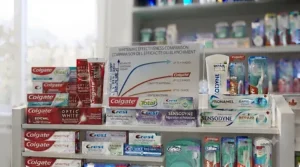
Market Leader Effectiveness Analysis: Who Actually Wins?
| Comparison Category | Winner | Why |
|---|---|---|
| Gum health (clinical data) | Colgate Total SF / Crest Pro-Health Advanced (tie) | Both use identical 0.454% stannous fluoride concentration |
| Fastest sensitivity relief | Sensodyne Rapid Relief | Reformulated for a roughly three-day relief timeline |
| Strongest whitening | Colgate Optic White Pro Series | Hydrogen peroxide chemically bleaches vs. surface abrasion only |
| Best value whitening | Crest 3D White Brilliance | Comparable surface-stain results at a lower price point |
| Best dual sensitivity + whitening | Sensodyne Pronamel Gentle Whitening | Only product built to avoid the usual trade-off |
| Broadest independently-recognized claims | Crest Pro-Health Advanced | History of ADA recognition across the most toothpaste categories |
Reading across that table, no single brand sweeps every category, and that’s the honest conclusion this whole comparison keeps arriving at. Colgate and Crest are close enough on general-purpose formulas that the “market leader” title genuinely depends on which specific claim you’re measuring, while Sensodyne simply isn’t competing in the same lane for most of these categories — it wins decisively where sensitivity is concerned and doesn’t try to compete elsewhere. Anyone expecting one brand to dominate across the board will end up disappointed; the smarter move is picking your winner per problem, not per brand.
Practical Usage Guide: Getting the Most Out of Any Tube
Even the best-matched toothpaste underperforms with poor technique, so a few adjustments compound the benefit of whichever product you choose. Follow the Canadian Dental Association’s guidance on using a pea-sized amount for adults — more paste doesn’t mean more protection, it mostly means more rinsing away of active ingredient before it can work. Brush for a full two minutes, twice daily, rather than the rushed thirty-to-forty-five seconds most people actually spend; stannous fluoride and potassium nitrate both need adequate contact time with the tooth surface to do their job. Spit, don’t rinse immediately with water — a lingering thin film of fluoride left on the enamel continues remineralizing for a while after brushing, and rinsing it away with a big mouthful of water cuts that benefit short. If you’re using a sensitivity formula, apply a thin layer directly onto exposed areas with a fingertip before bed as an extra targeted step, since overnight saliva flow drops and the paste has longer uninterrupted contact time. In the first thirty days on a stannous fluoride product specifically, expect a possible mild metallic taste and light surface staining that brushing normally clears — this is a known, harmless characteristic of the ingredient, not a defect.
Common Mistakes When Buying Toothpaste
The most frequent mistake is buying purely on brand reputation rather than matching the active ingredient to the actual complaint — someone with bleeding gums grabbing a whitening toothpaste because “that’s the brand my dentist mentioned once” is optimizing for the wrong variable entirely. A close second is judging effectiveness too quickly; because stannous fluoride’s gum benefits and potassium nitrate’s sensitivity relief both take two to three weeks minimum to fully manifest, switching products every few days based on impatience means never actually experiencing the benefit either one offers. Buyers also frequently overlook the CDA Seal, treating all toothpaste on a shelf as equally validated when in reality that seal specifically confirms a manufacturer’s claims were independently checked. Another common error is stacking two aggressive whitening products (a whitening toothpaste plus a separate whitening rinse) without accounting for cumulative abrasion, which can genuinely thin enamel over months of daily double-duty. Finally, price-anchoring — assuming the most expensive tube must be the most effective one — ignores that Sensodyne’s premium is chemistry-justified for sensitivity specifically, but doesn’t automatically translate into better whitening or gum-health performance than a cheaper stannous fluoride formula.
✨ Don’t Miss These Exclusive Deals! 🦷
Take your oral care routine to the next level with these carefully selected picks. Click on any highlighted product to check current pricing and availability on Amazon.ca.
Problem → Solution: Fixing Common Toothpaste Complaints
Problem: cold drinks or ice cream cause sharp, immediate pain. Solution: switch to Sensodyne Rapid Relief for twice-daily use, and consider a fingertip spot-application of Colgate Sensitive Pro-Relief on the worst areas for faster short-term relief while the daily formula builds its full effect.
Problem: gums bleed noticeably during flossing. Solution: move to a stannous fluoride formula like Crest Pro-Health Advanced or Colgate Total SF, and don’t stop flossing — the bleeding is a signal the gums need more care, not less.
Problem: coffee and tea staining is getting worse despite regular brushing. Solution: layer a peroxide formula like Colgate Optic White Pro Series a few times weekly, using a standard fluoride formula the rest of the week to avoid overdoing abrasion.
Problem: metallic taste after switching toothpaste. Solution: this is almost always a stannous fluoride characteristic and typically fades within one to two weeks; if it persists past a month, switching to a sodium fluoride formula solves it immediately.
Problem: sensitivity and staining are both present at once. Solution: Sensodyne Pronamel Gentle Whitening was specifically engineered for exactly this combination and avoids the trade-off other formulas force.
Long-Term Cost & Maintenance
A single tube typically lasts a household member four to six weeks with proper twice-daily pea-sized use, meaning the true annual cost of any of these seven products lands somewhere between roughly C$60 and C$140 per person depending on tier — a genuinely small line item compared to the cost of a single dental filling, which is worth keeping in perspective when a premium tube feels expensive at the checkout. Stannous fluoride formulas like Colgate Total SF and Crest Pro-Health Advanced offer arguably the best long-term ROI in this comparison, because their gum-health benefits reduce the risk of costlier periodontal treatment down the line — a single scaling and root planing procedure in Canada can run into the hundreds of dollars, dwarfing years of toothpaste spending. Sensitivity-focused tubes like Sensodyne Rapid Relief cost more per unit but eliminate the very real quality-of-life cost of avoiding cold foods and drinks, which isn’t captured in a price tag but matters in daily life. Whitening formulas are the one category where diminishing returns kick in fastest — once surface stains are under control, downgrading to a standard fluoride toothpaste for maintenance and reserving a whitening tube for periodic touch-ups is the more cost-effective long-term pattern than daily peroxide or heavy abrasive use indefinitely.
Features That Actually Matter (And Those That Don’t)
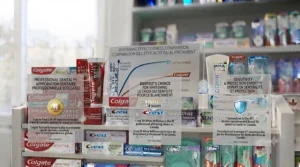
Active ingredient concentration and type matters enormously — it’s the entire basis of every real difference in this comparison. The CDA Seal matters, because it’s third-party verification rather than manufacturer self-reporting. Flavour and foam level, while they feel trivial, genuinely matter for compliance — a toothpaste you dislike using gets used less consistently, undermining even the best chemistry. On the “doesn’t matter much” side: tube colour, packaging design, and vague claims like “advanced formula” or “clinically proven fresh breath” without a named, concentration-specified active ingredient are largely marketing dressing rather than functional differentiators. Multi-flavour variety within a single line (mint vs. extra-mint vs. cool mint) is a preference choice, not an efficacy one — don’t pay a premium expecting a performance difference between flavour variants of the same underlying formula.
Safety, Regulations & the CDA Seal in Canada
All seven products in this comparison contain fluoride at concentrations consistent with Health Canada guidance, and the Canadian Dental Association recommends fluoride toothpaste for essentially everyone, adjusting only the amount used by age — a smear for children under three, a pea-sized amount from age three onward, including adults. Health Canada specifically cautions that children under six should be supervised while brushing, since accidental swallowing of larger amounts over time can contribute to mild dental fluorosis, a cosmetic (not health-threatening) change in enamel appearance that only affects teeth still developing under the gums. None of the products featured here require a prescription, and all fall under Canada’s Natural Health Products framework governing labelling and permitted claims for oral care products sold at retail. If you take prescription medication for a chronic dry mouth condition or have a diagnosed swallowing disorder, it’s worth a quick conversation with your dentist before switching to a high-concentration whitening or stannous fluoride formula specifically, since those groups sometimes need individualized guidance beyond what a general buying guide can responsibly offer.
FAQ
❓ Is Colgate or Crest better for cavities?
❓ Why is Sensodyne more expensive than Colgate or Crest?
❓ Can I use Sensodyne every day instead of a regular toothpaste?
❓ How long does it take for sensitivity toothpaste to actually work?
❓ Does whitening toothpaste damage enamel over time?
Conclusion
If this comparison boils down to one takeaway, it’s this: Colgate vs Crest vs Sensodyne isn’t really a brand rivalry, it’s an ingredient-matching exercise wearing brand-rivalry packaging. Colgate Total SF and Crest Pro-Health Advanced are close enough in formulation that either makes a genuinely solid daily driver for someone without a specific complaint. Sensodyne, across both Rapid Relief and Pronamel Gentle Whitening, earns its premium pricing specifically for people dealing with real sensitivity, backed by a real body of clinical research rather than marketing alone. And the whitening-focused options — Colgate Optic White Pro Series for strength, Crest 3D White Brilliance for value — serve a cosmetic goal that’s separate from cavity or gum concerns entirely. According to Wikipedia’s overview of toothpaste, the modern dentifrice category has always been defined by exactly this kind of active-ingredient specialization rather than one-size-fits-all formulas, and nothing about the current Colgate/Crest/Sensodyne landscape breaks that pattern. Match the active ingredient to your actual mouth, give it six to eight weeks of consistent use, and check in with your dentist if a specific problem persists beyond that window.
Recommended for You
- Total Care Toothpaste 2026: 7 Picks That Actually Deliver
- All-in-One Toothpaste: 7 Top Picks Compared for 2026
- Toothpaste for Bad Breath From Stomach: 7 Picks That Work (2026)
Disclaimer: This article contains affiliate links. As an Amazon Associate, I earn from qualifying purchases. If you purchase products through these links, we may earn a small commission at no additional cost to you.
✨ Found this helpful? Share it with your friends! 💬🤗
